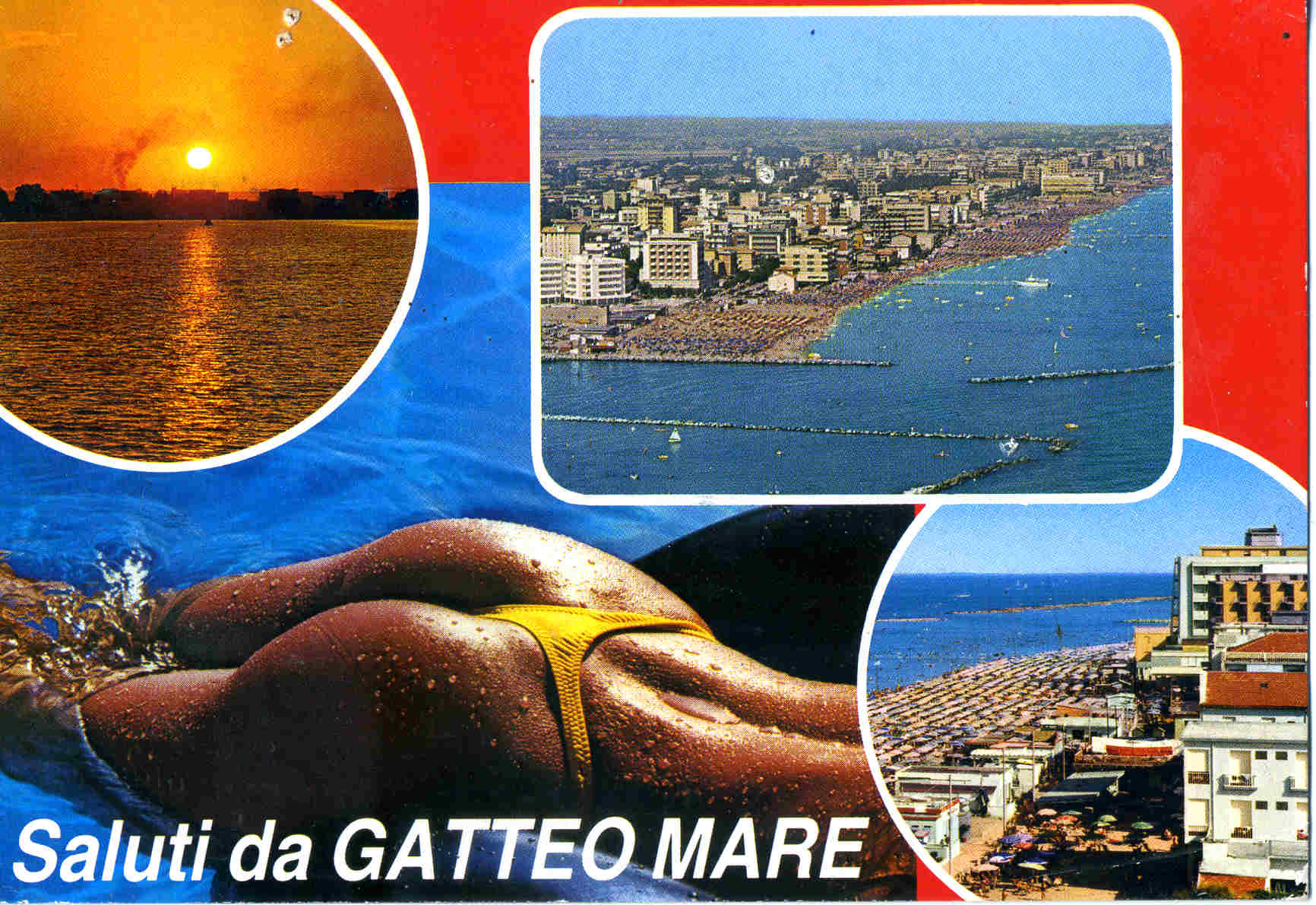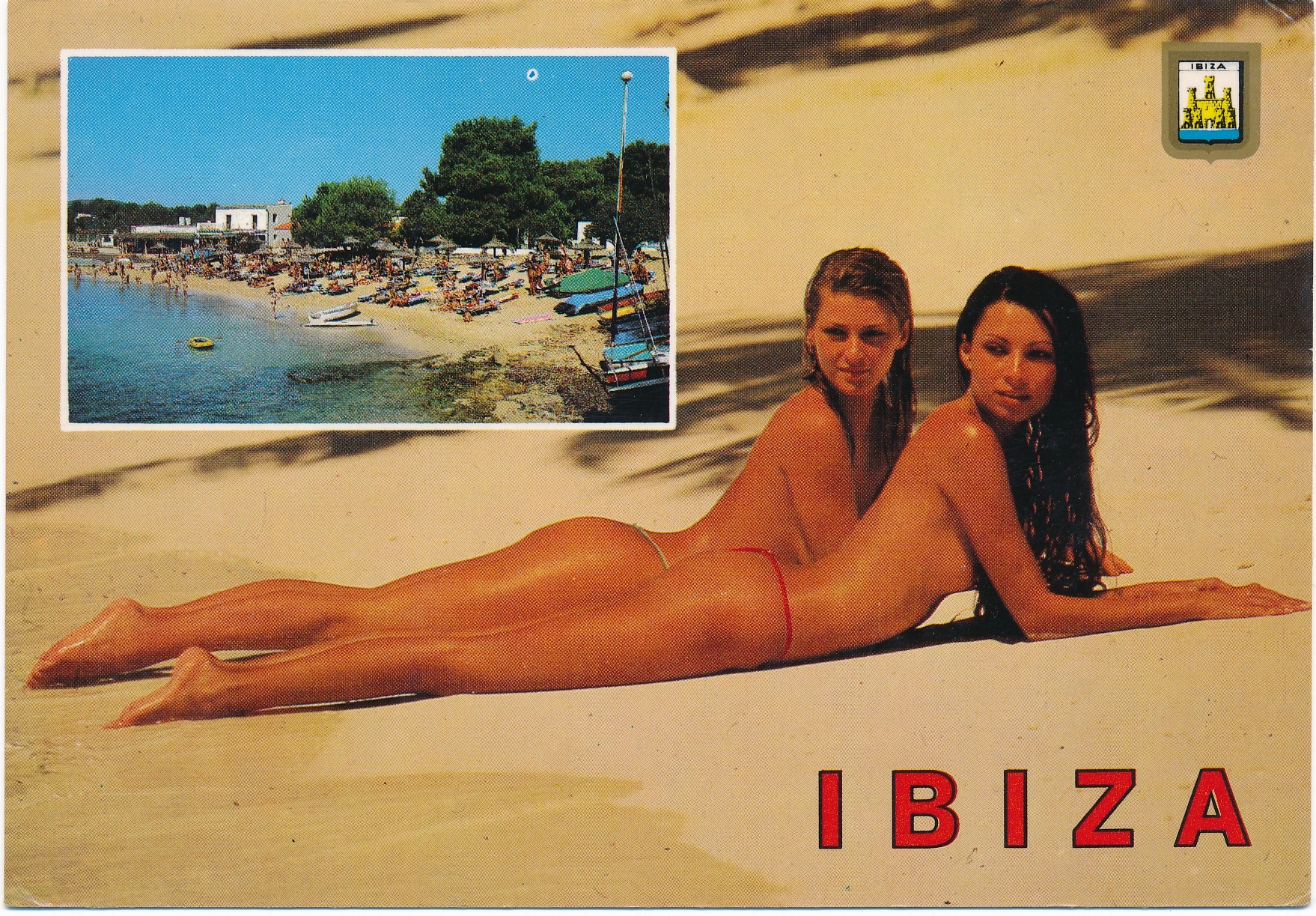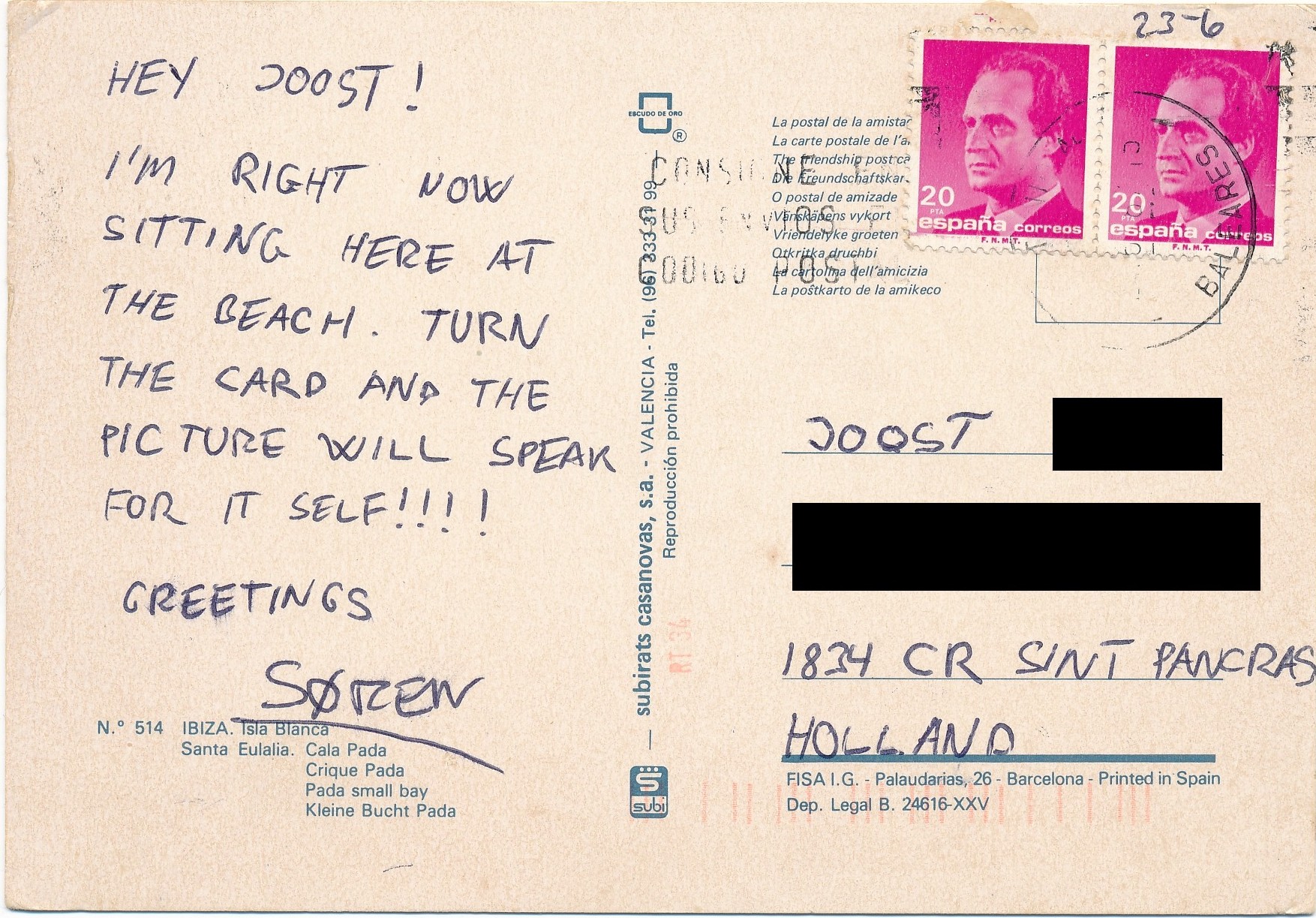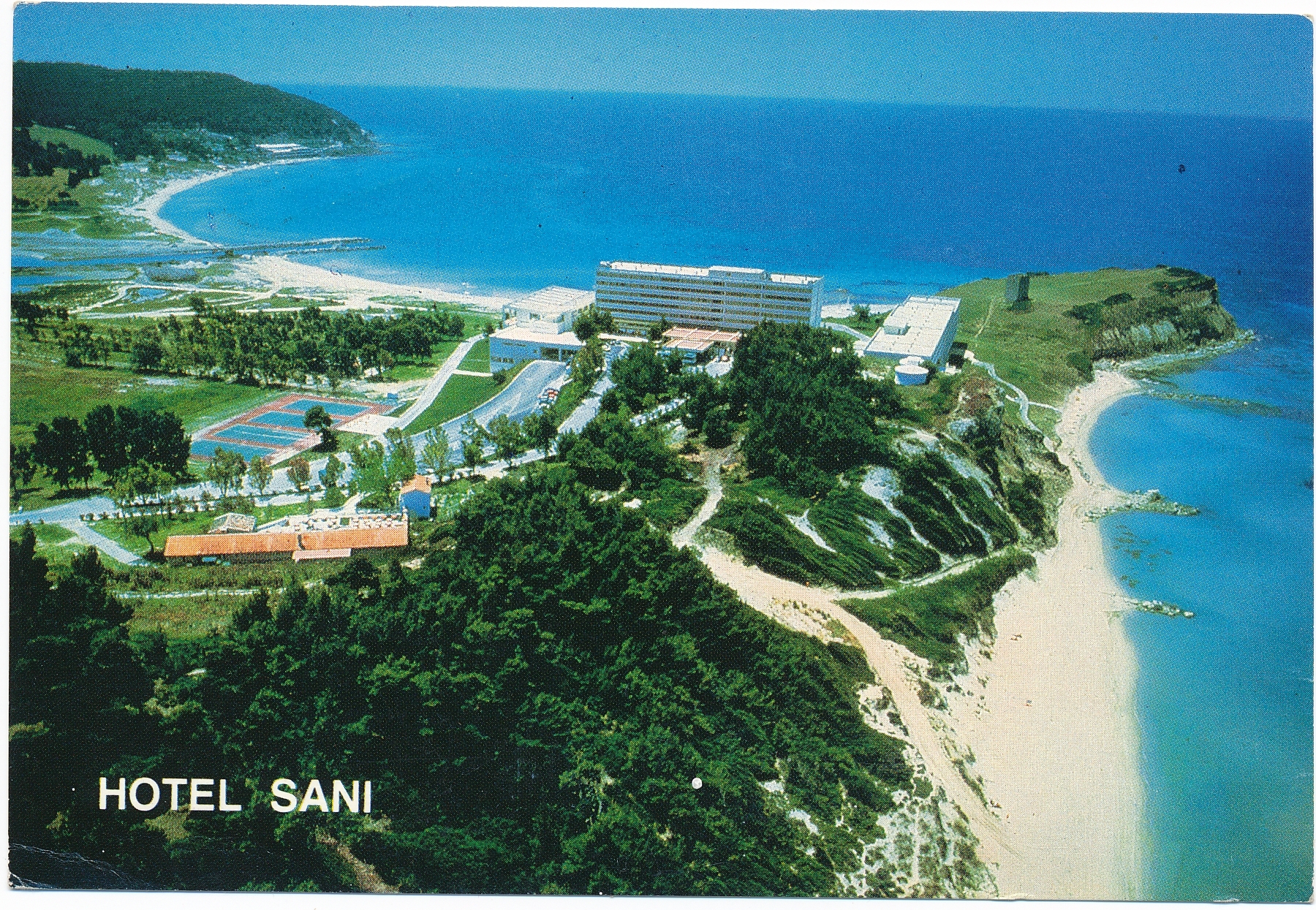
Category Archives: additions

The “Western Games” Deal

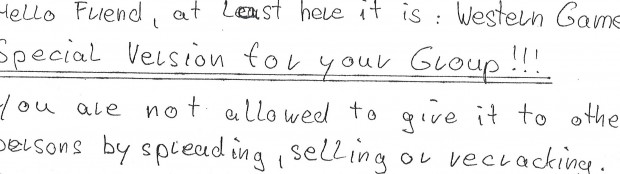
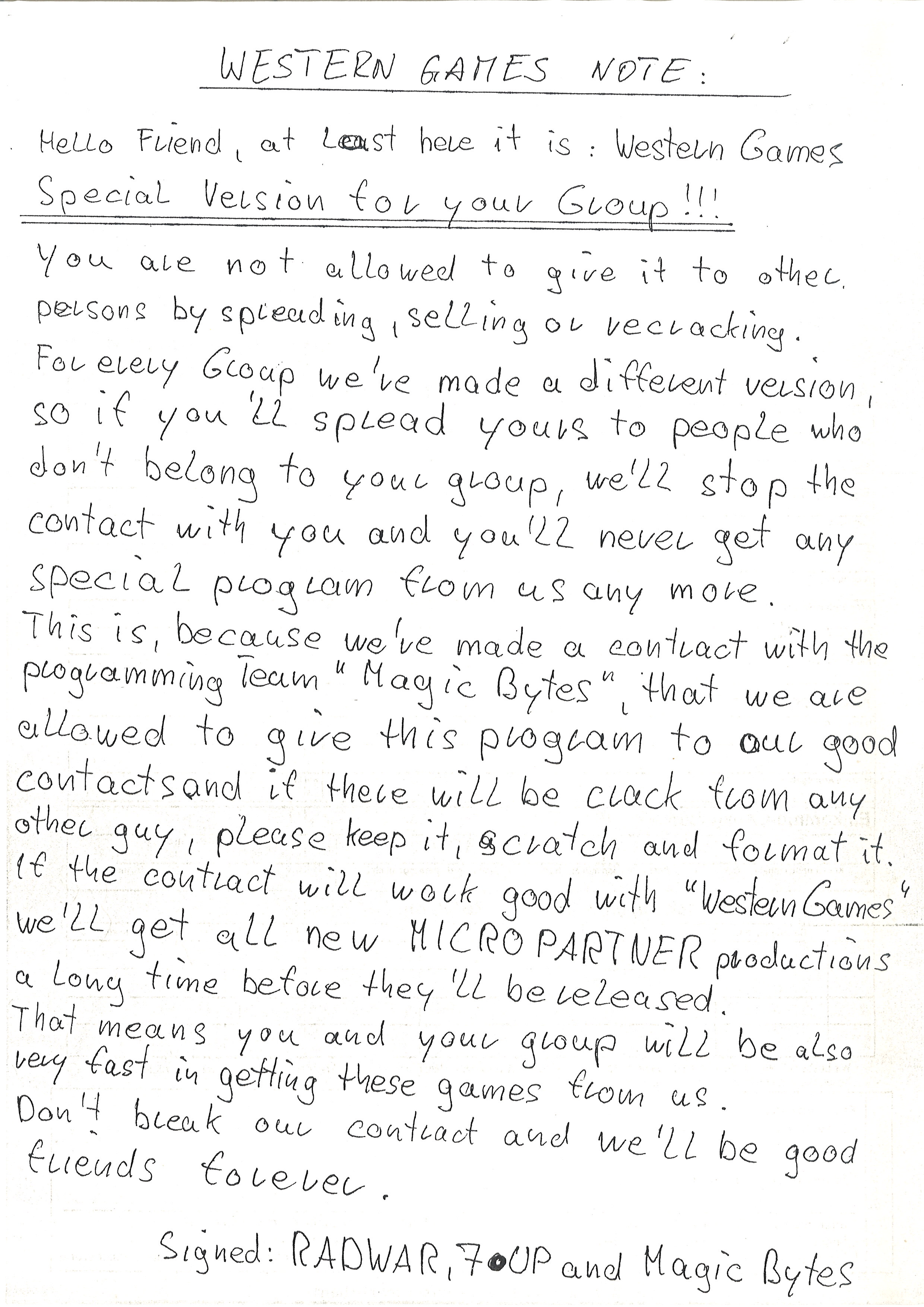
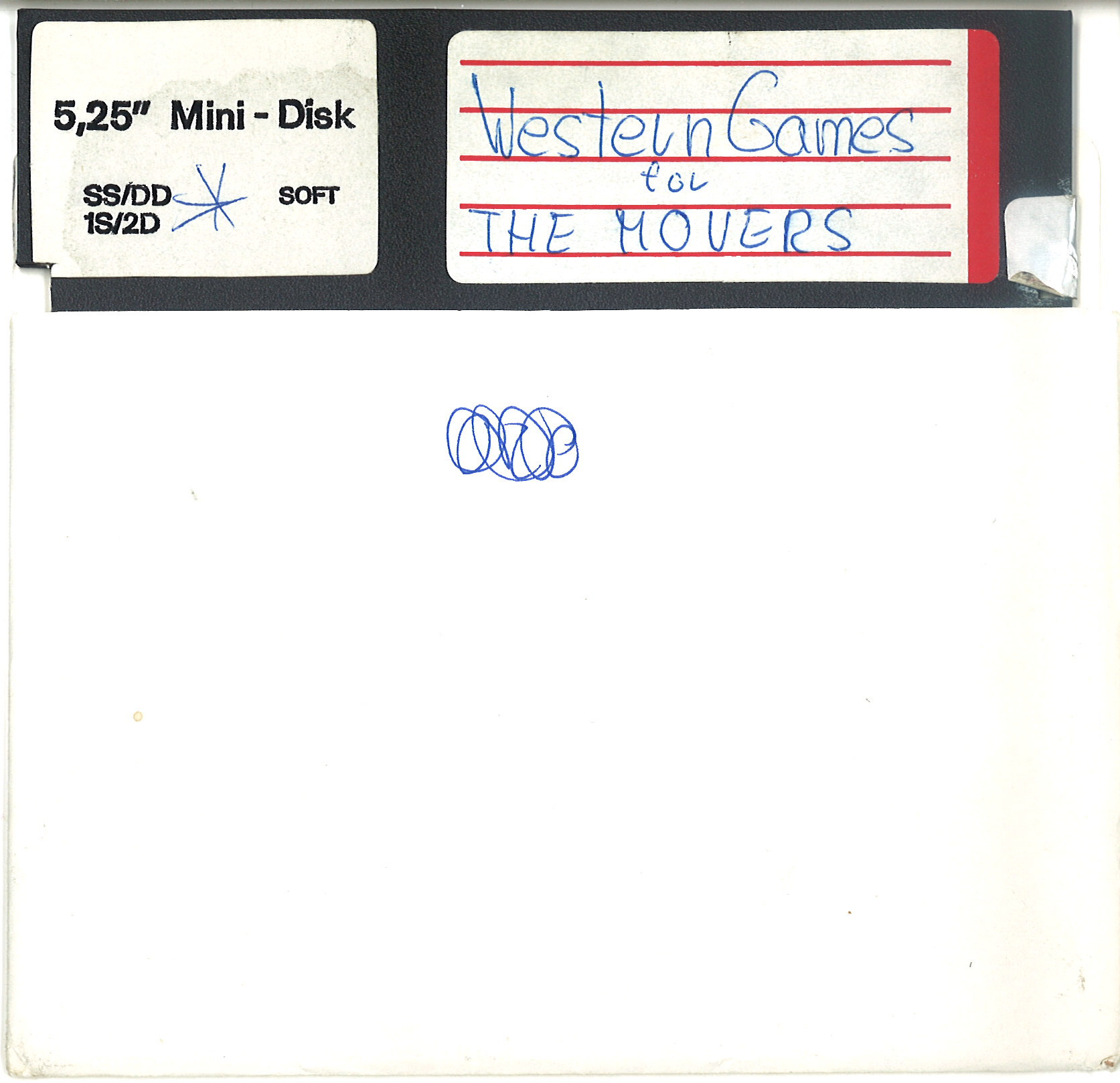
Today, we bring you something very, very special from Skylab/The Movers’ treasure chest. These two scans testify to an astonishing and unique symbiosis between 1980s’ crackers and software companies. It was by no means unusual that computer kids assumed double roles as crackers and game developers, or that suppliers leaked stuff out of game dev studios. It was also not unheard of that game publishers leaked (broken) versions of games to cracking groups in order to mess with them. The case here, however, is totally different: A game company shares their product with the C64 elite in order to pacify it and to gain some time in order to raise sales figures.

The story behind the deal goes as follows:1 One of the programmers at Magic Bytes was a former scener and a friend of the guys in Radwar, one of the most famous C64 groups at that time. Together, they convinced the heads of Micro-Partner, Magic Bytes’ parent company, to conduct an unusual experiment – a “legal” crack, to be spread among the C64 elite only. The bosses gave in, and soon a floppy disk reached Radwar’s closest and most trusted contacts, like The Movers in our example, alongside with a letter. It announced a special treat for the recepients – a pre-release version of a brand new game. However, they were strictly advised not to spread, sell, or recrack it, under threat of Radwar cutting all ties with them otherwise. Every group received a unique (or, as one would say now: watermarked) version, an additional pressure factor not to breach Radwar‘s confidence. The contacts were presented with an enticing perspective: “If the contract will work good with ‘Western Games’ we’ll get all new MICRO PARTNER productions a long time before they’ll be released.” 

So, how did this “contract” make sense for the company? Effectively, they killed several birds with one stone. Firstly, they secured Radwar’s technical expertise in code and copy protection optimisation, which began to be valued by several game companies at that time. Secondly, Radwar‘s closest circle of contacts coincided with the C64 cracking elite of that time. Thus, having the pre-release spread by Radwar meant keeping that elite from actually cracking and spreading the game. And, thirdly, with the elite not bothering to crack the title, and with minor groups struggling with the copy protection after the game hit the stores, the company could win several weeks to sell originals – weeks that mattered a lot in the fast-paced home computer games market. At least according to MWS/Radwar, the deal helped Micro-Partner to sell twice as many units as they normally used to. Moreover, the scheme was so successful that it was repeated by Radwar at least once more in 1988, this time with Bozuma, a Rainbow Arts title.

While the digital contents were preserved a while ago by CSDb, we present you for the first time with the actual physical appearance of this “special release”, as it landed into the elite groups’ post boxes. As usual, you can download the high quality scans and view the metadata at our archive at scene.org.

The Movers Collection, Part 3

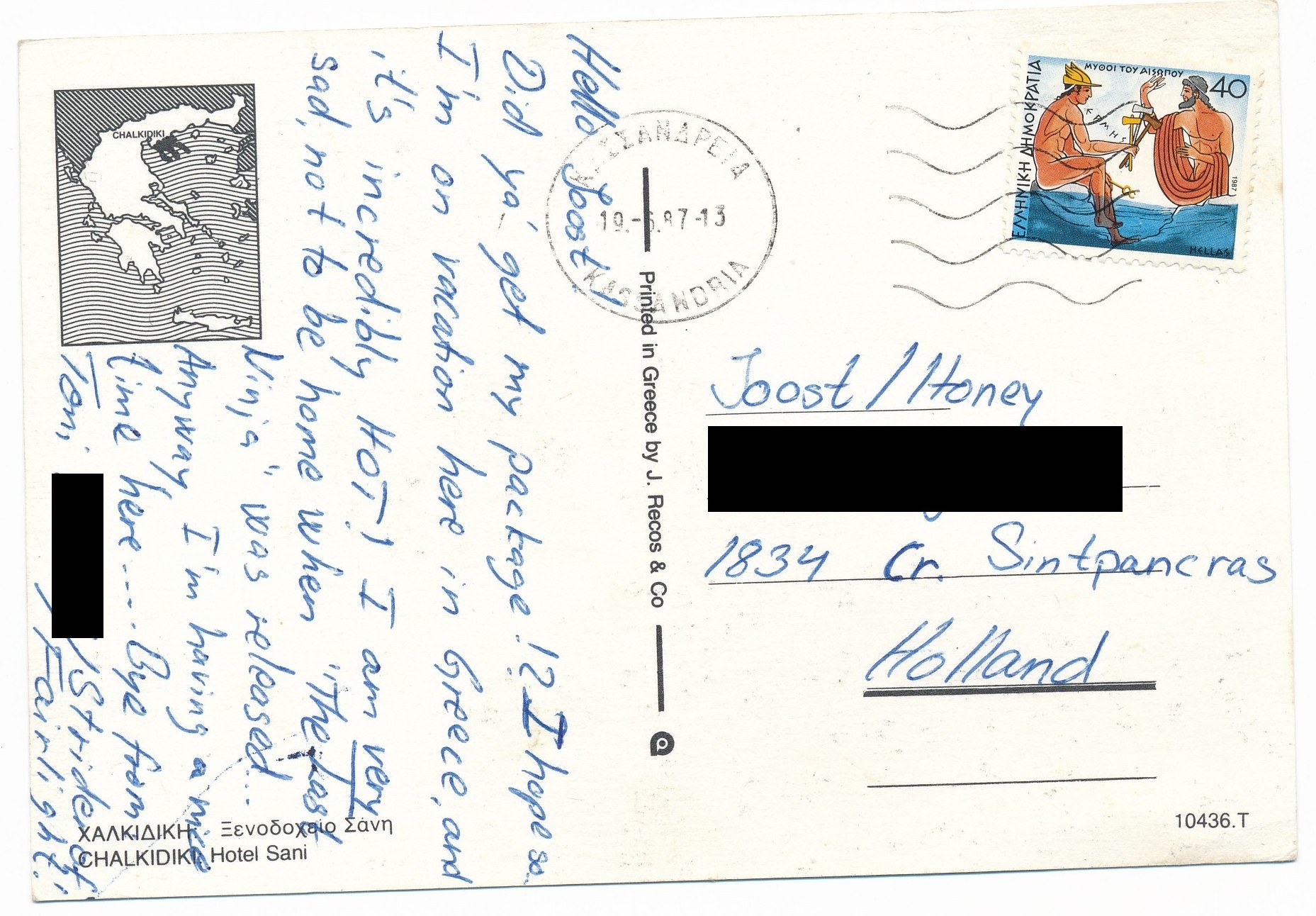
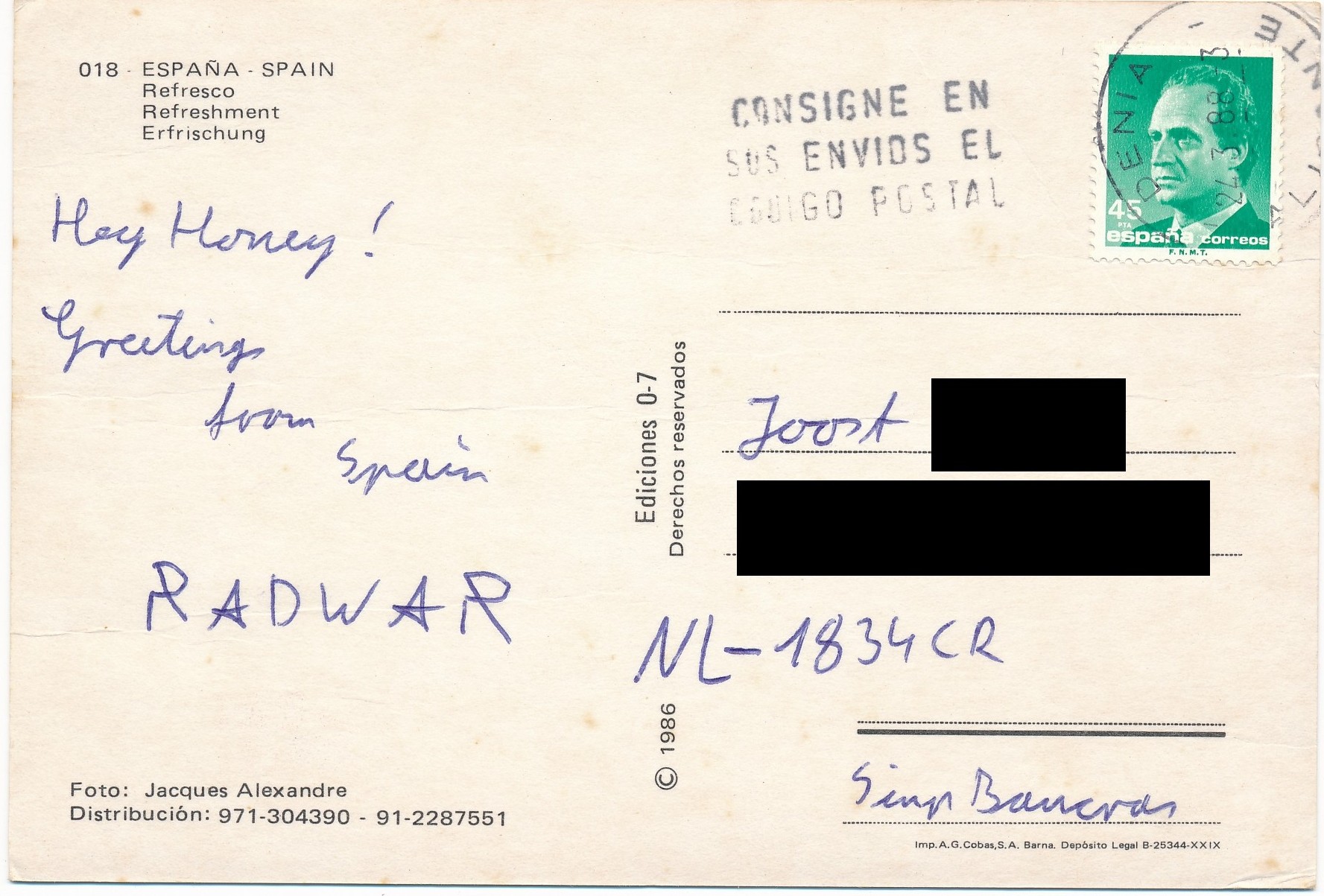
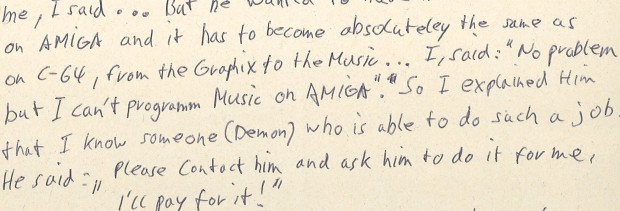
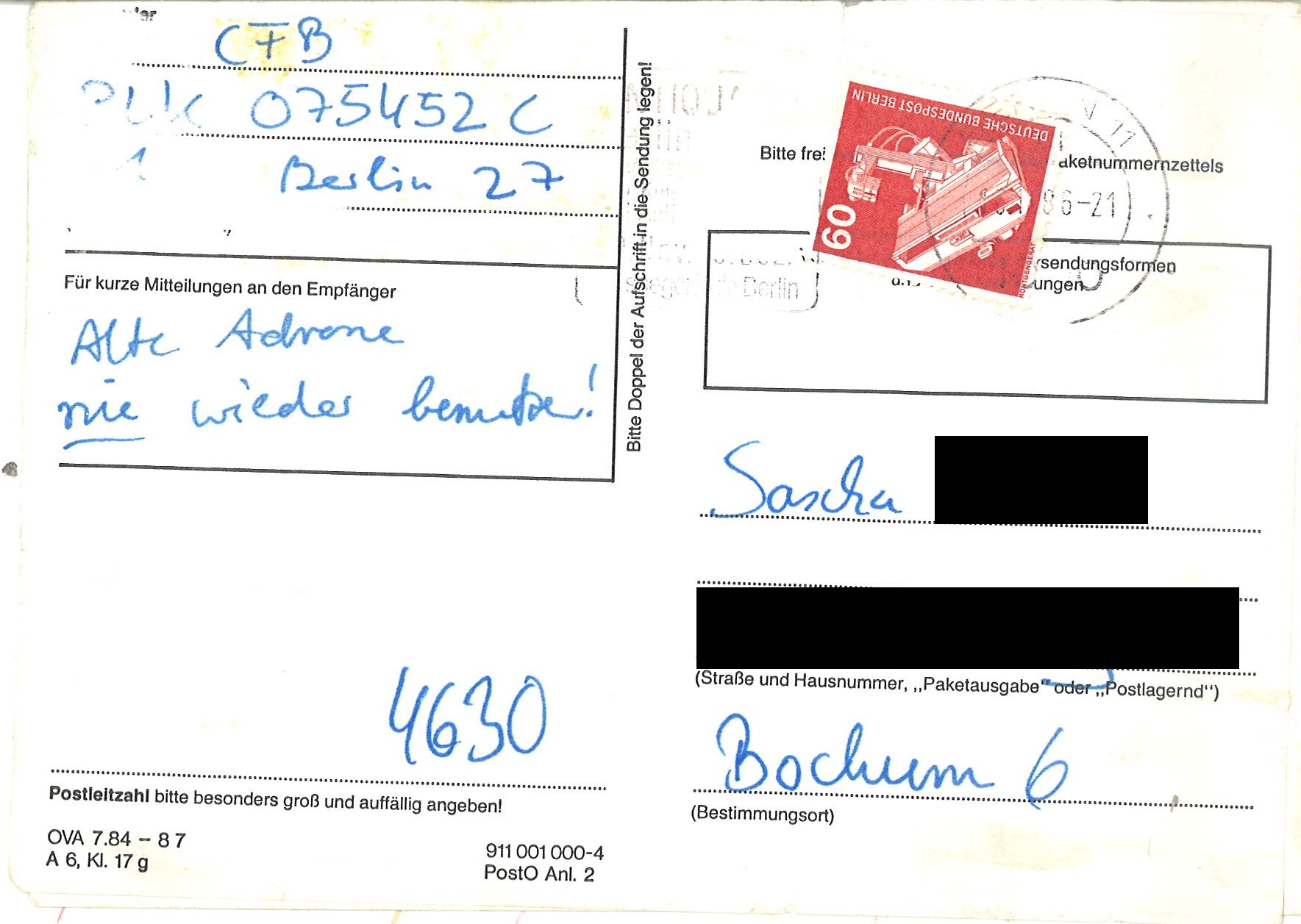
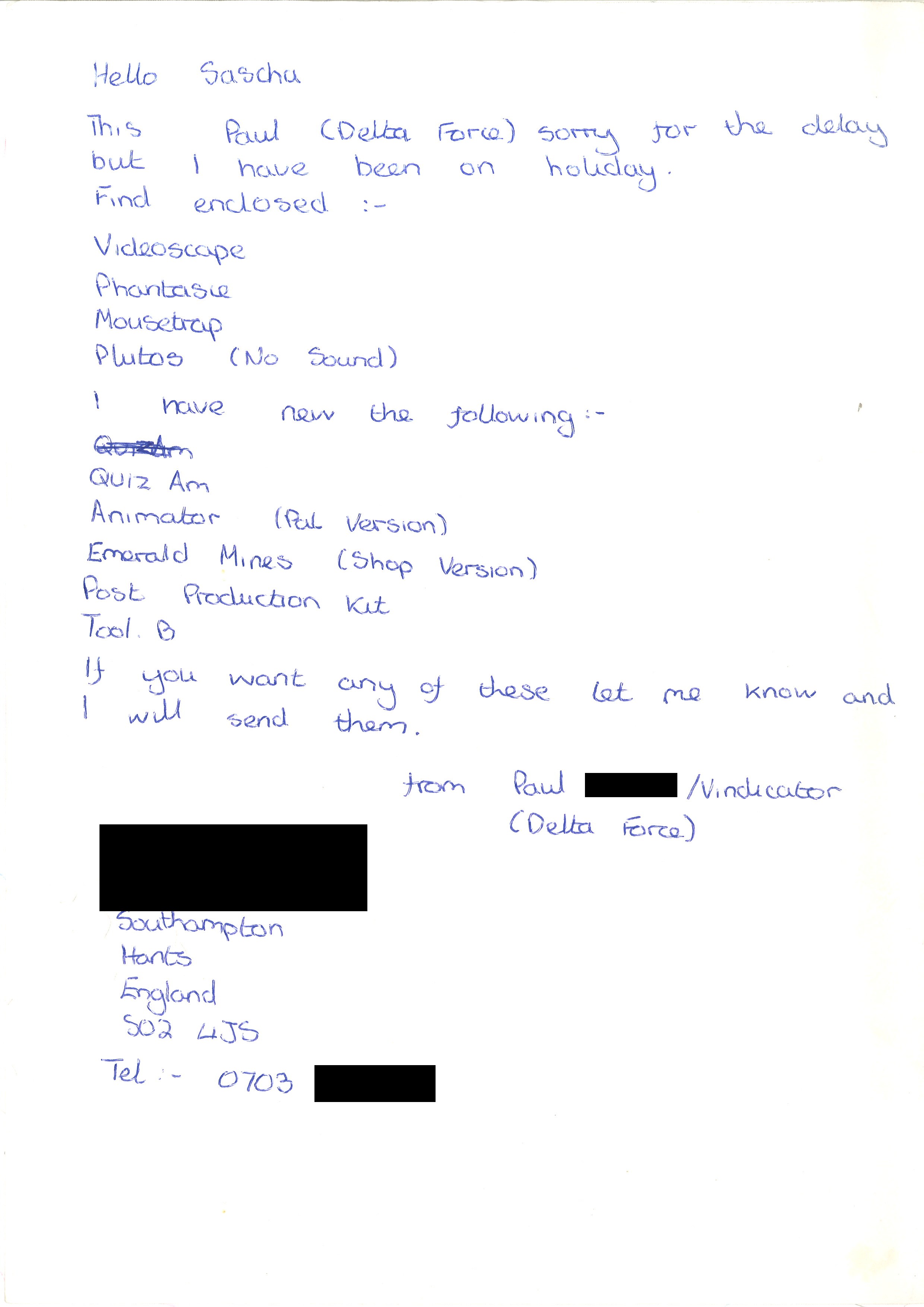
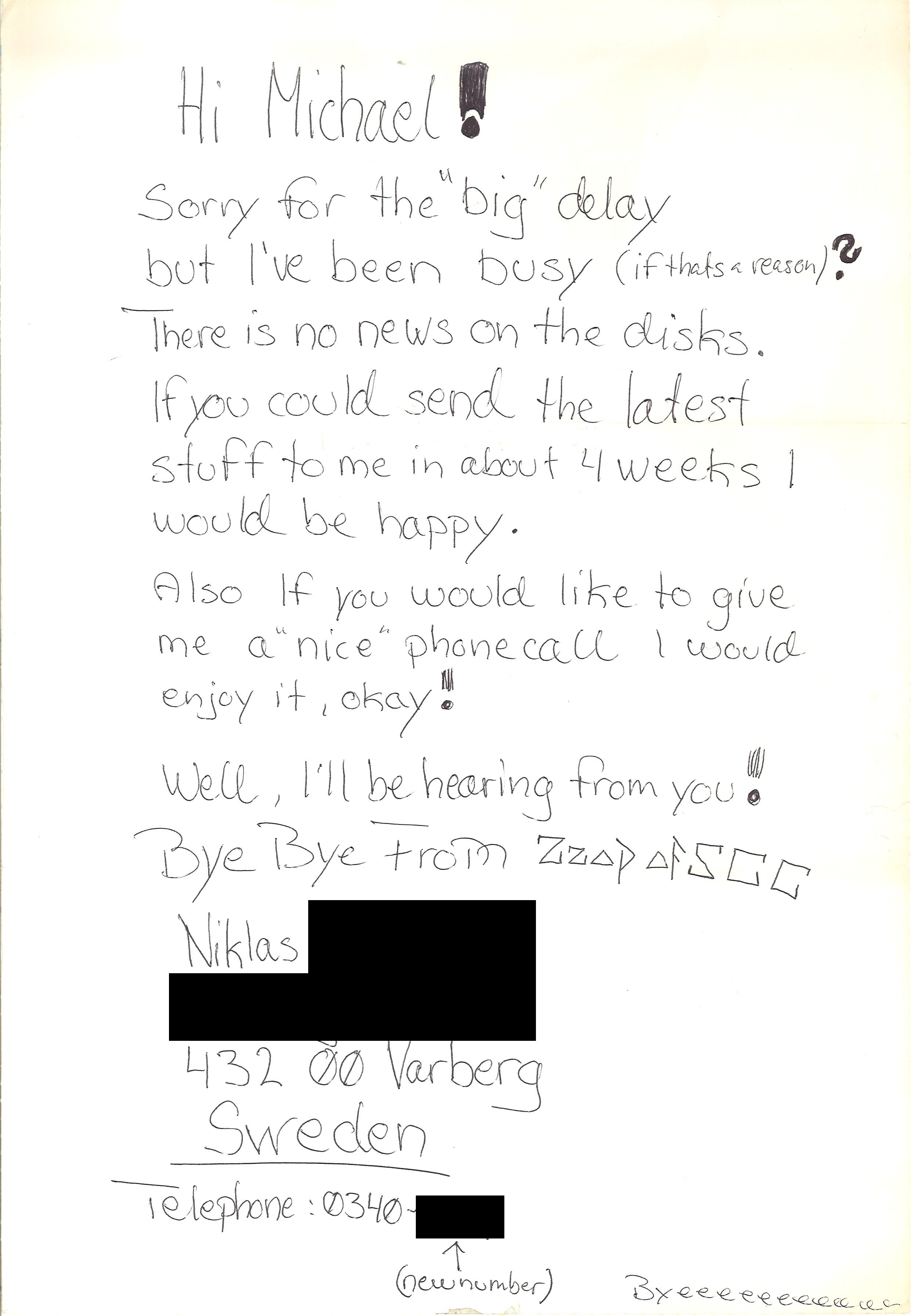
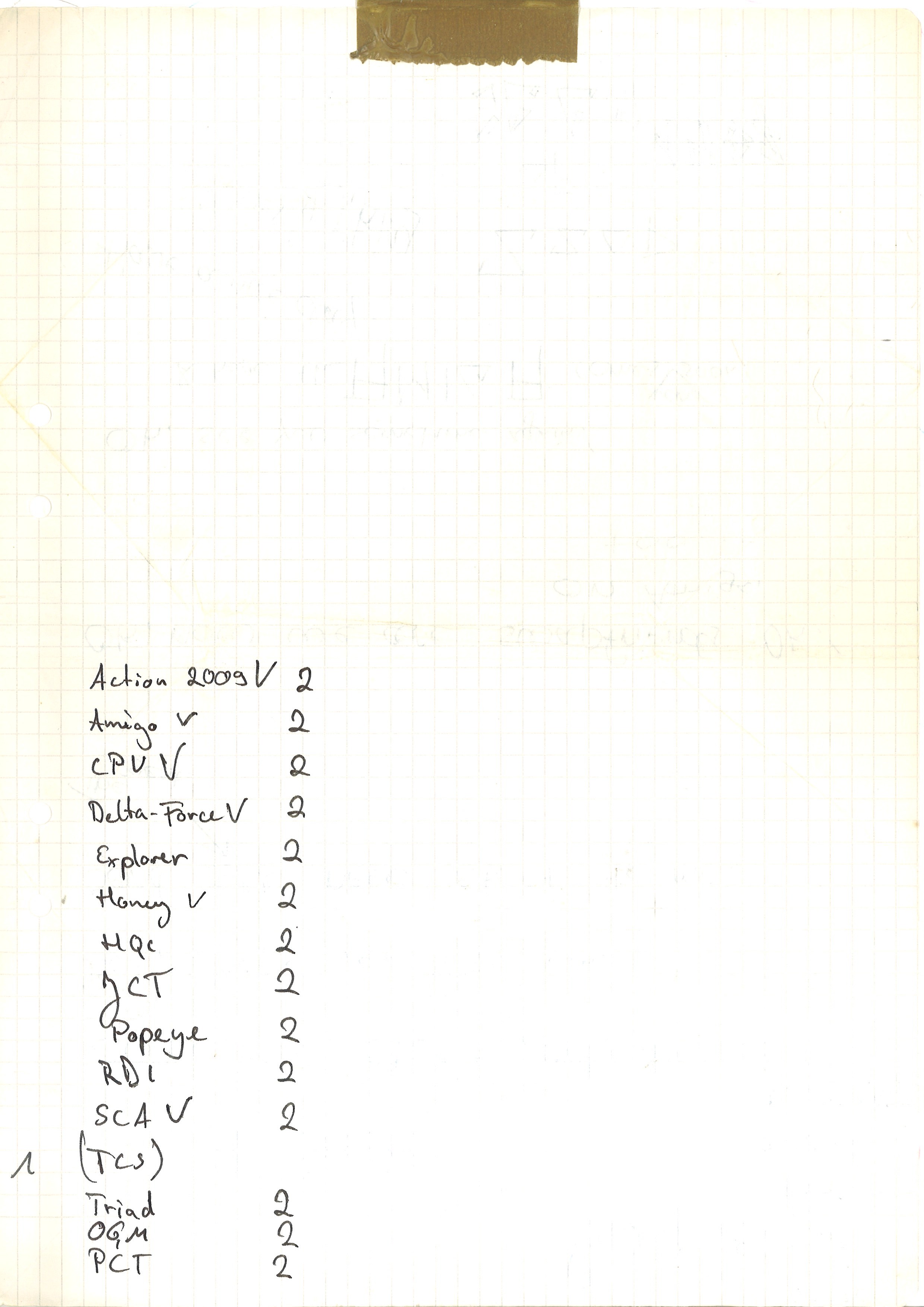
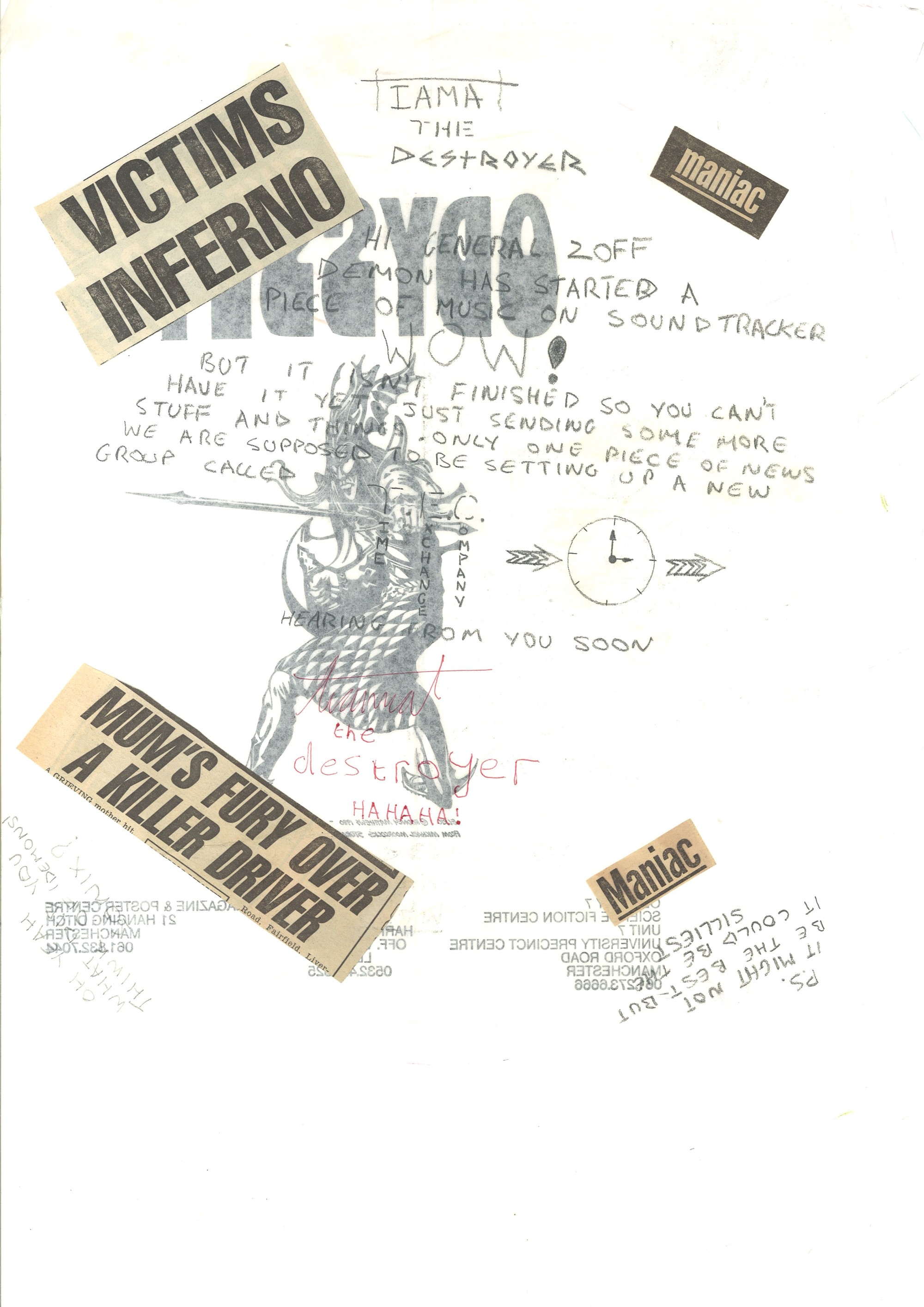
UZH Magazin, the research magazine of the University of Zurich, just published a detailed report about the research project behind Got Papers?. This is a good opportunity to end the hiatus and to bring you the third instalment of the New Balance Bochum / The Movers letter collection, supplied by Skylab & General Zoff. Once again, here are some intriguing scene letters from a fascinating time, when sceners began to move from C64 to Amiga, struggling with the new machine’s specifications; when teenage crackers doubled as game developers; when teenage magazine editors doubled as suppliers; when not only disks, but all sorts of objects, including complete computers, were exchanged through the scene’s postal networks; when contacts and friendships were forged on a phone conference and immediately continued on paper; in short, when the social network known as “the scene” was new and messy, being held together by  communication channels both “old” and “new”. Enjoy the letters, and expect more soon.

• Cracking Force Berlin/Flash Cracking Group (Germany) to Skylab, 15 November 1986 [metadata]
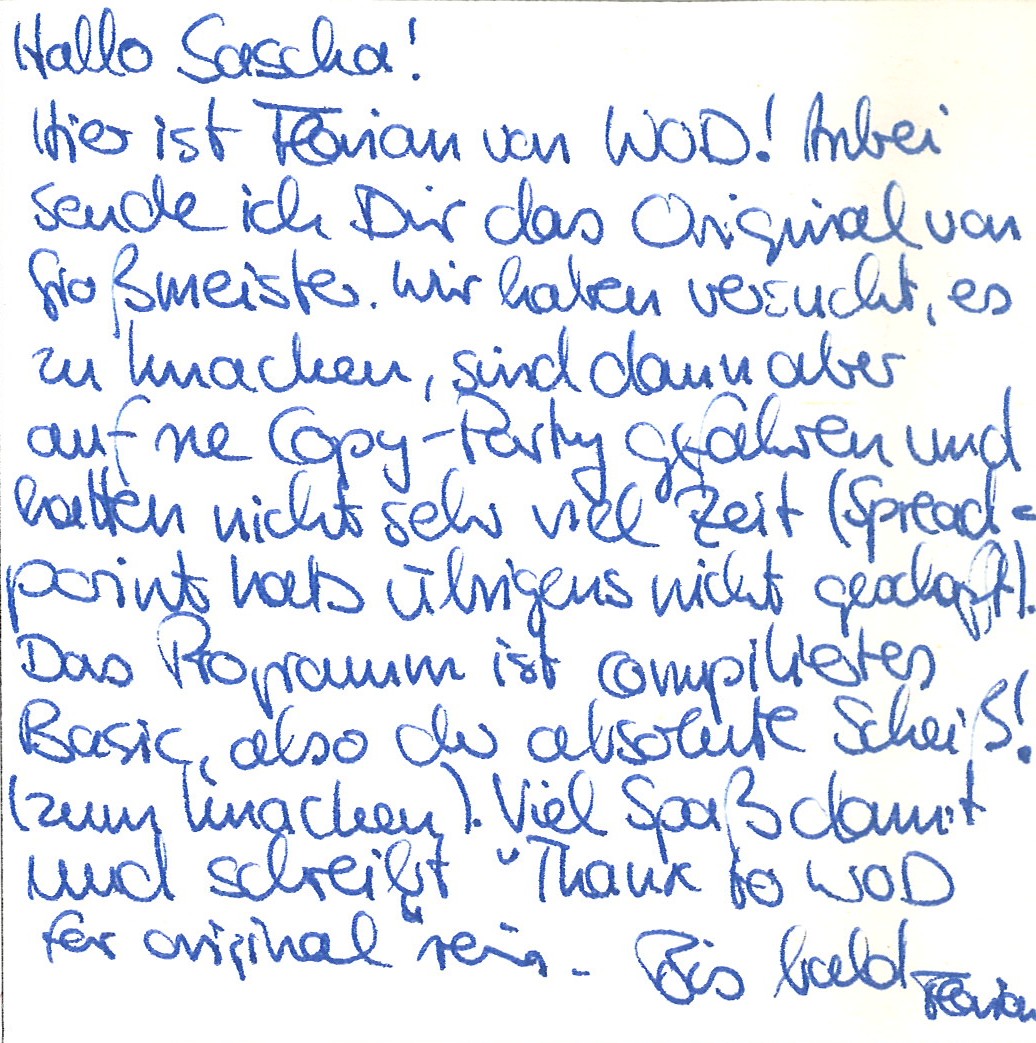
• Florian/Warriors of Darkness (Germany) to Skylab, ~1988-1989 [metadata]
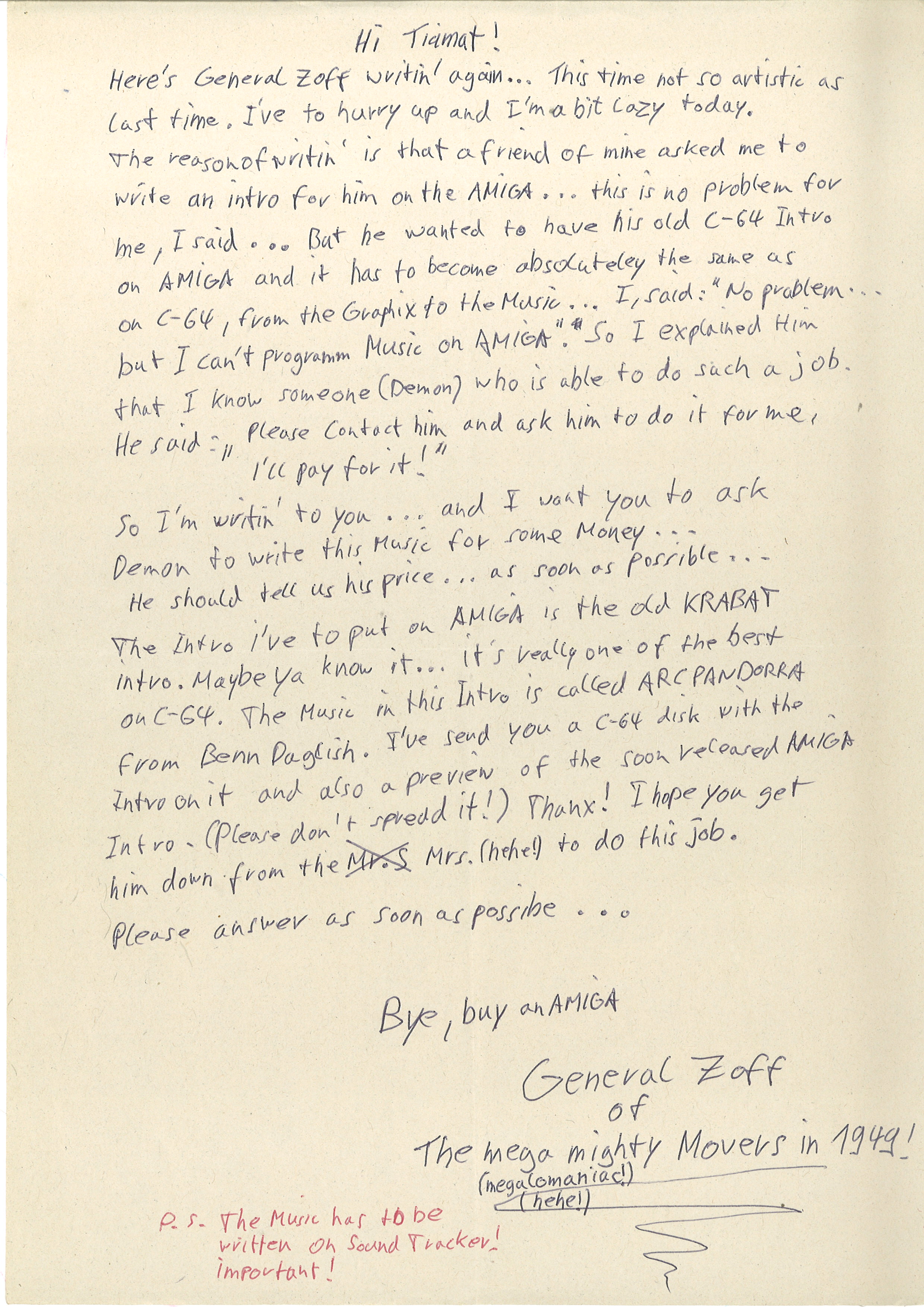
• General Zoff to Tiamat (draft), ~1988 [metadata]
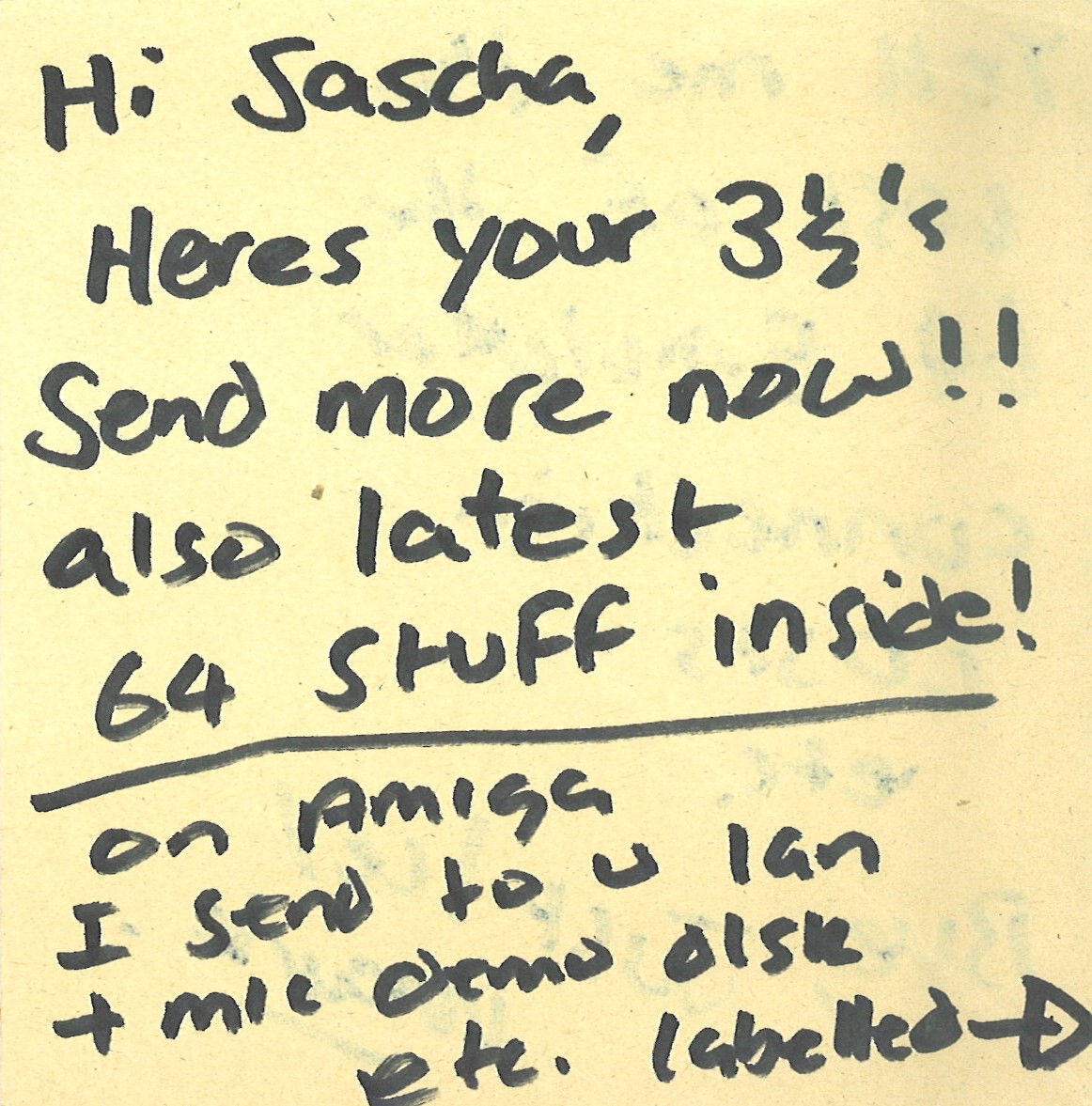
• Just Ice/Ikari (UK) to Skylab, ~1988 [metadata]
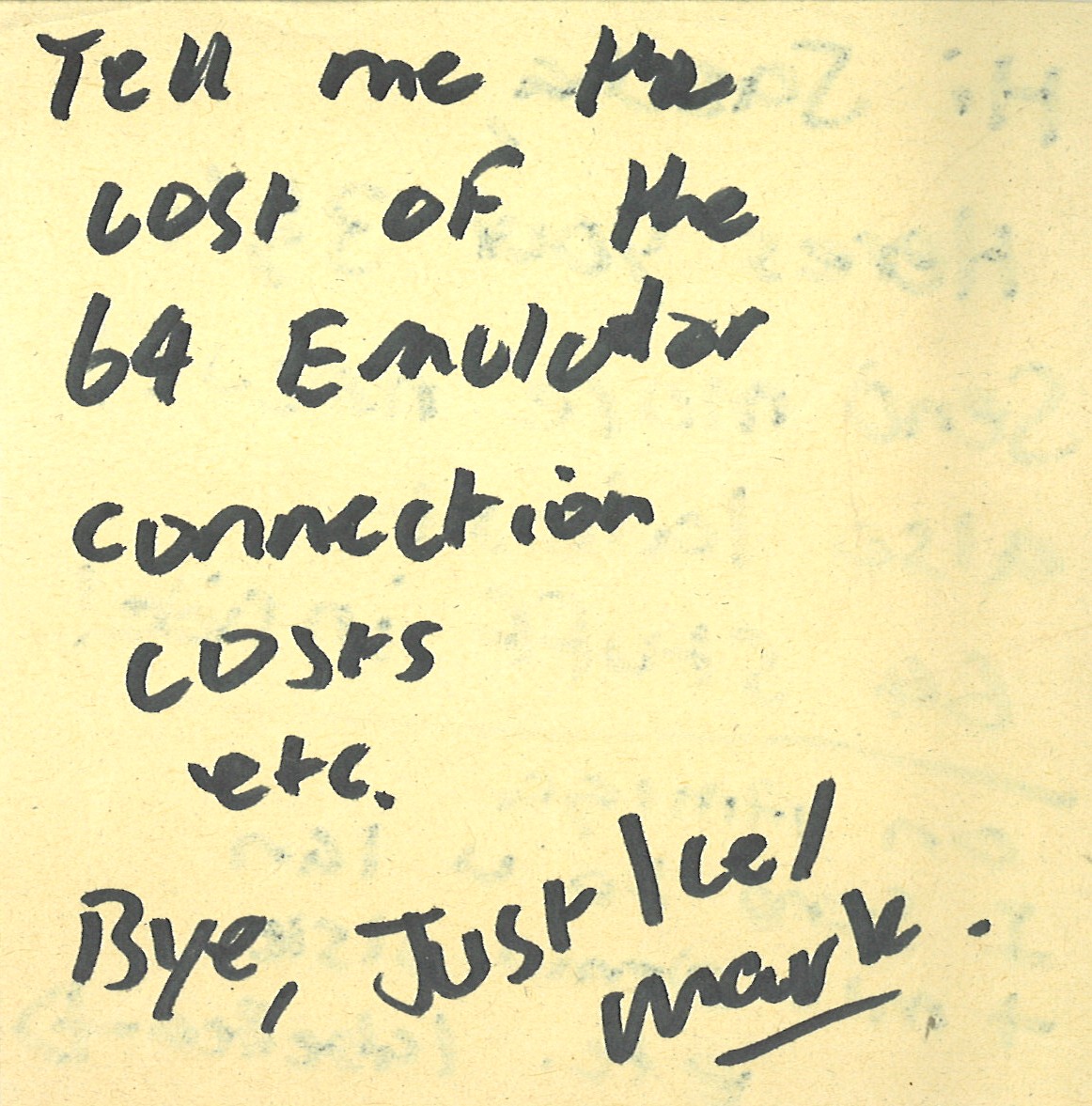
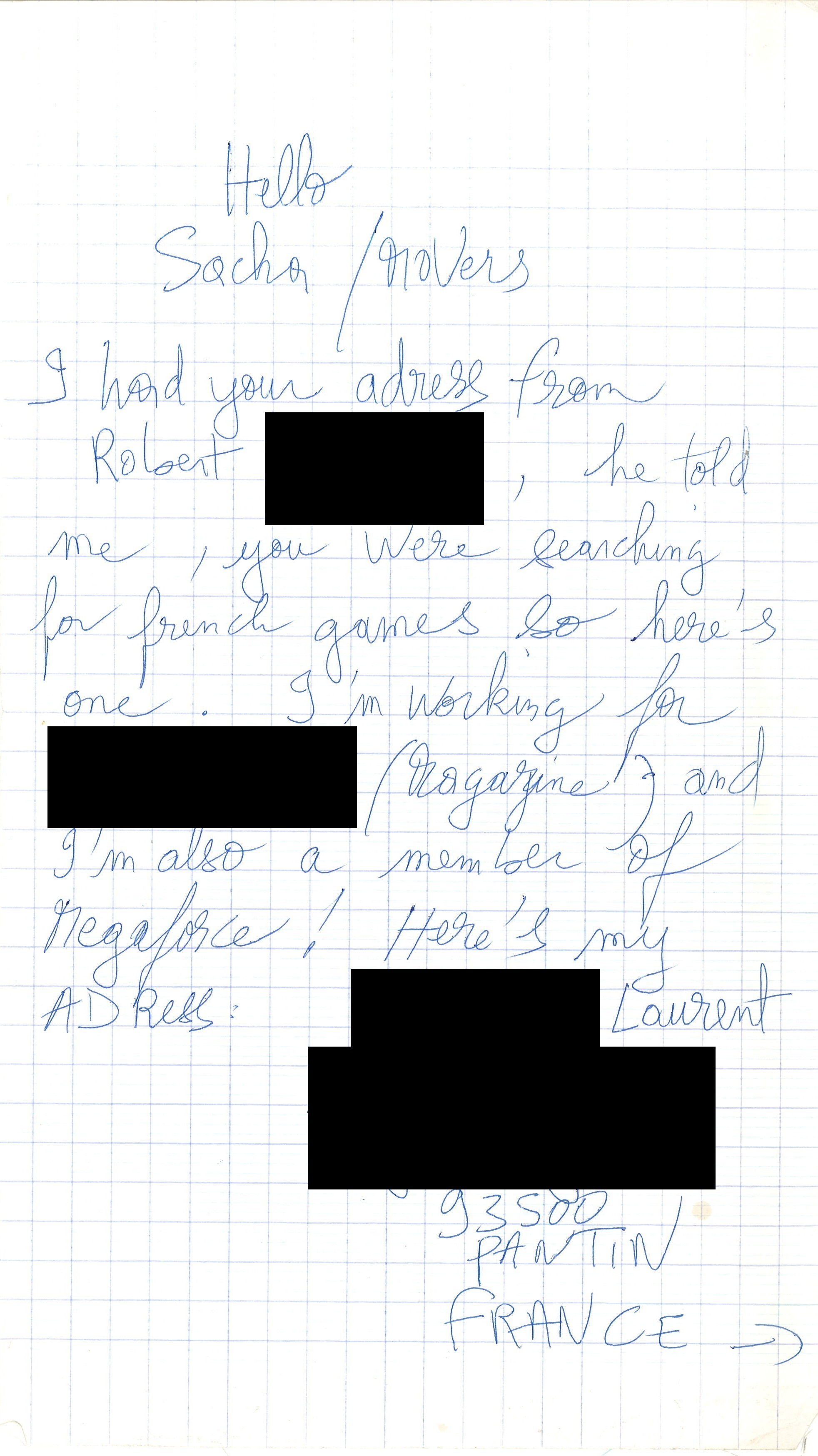
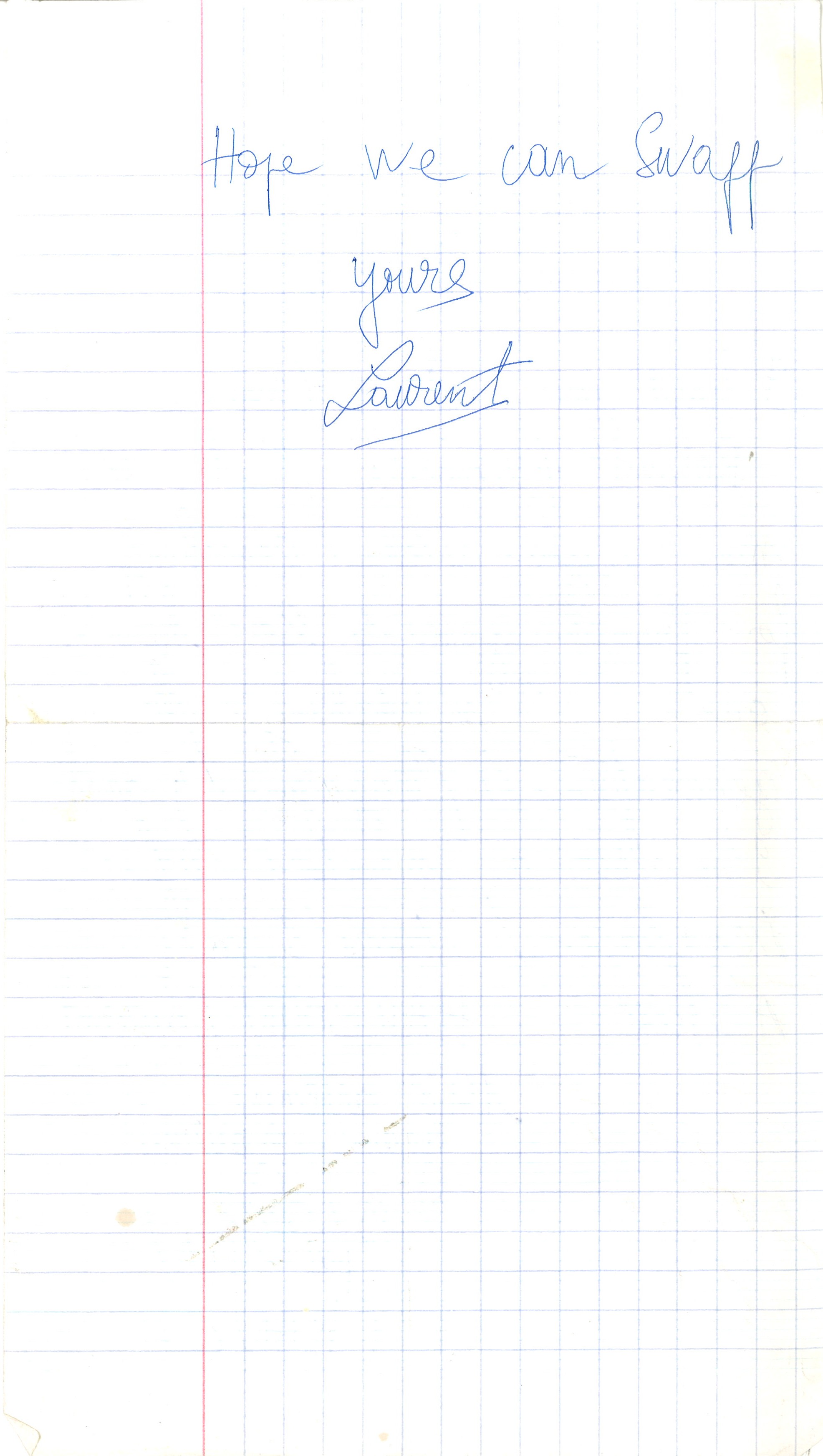
• Laurent/Megaforce (France) to Skylab, ~1988 [metadata]
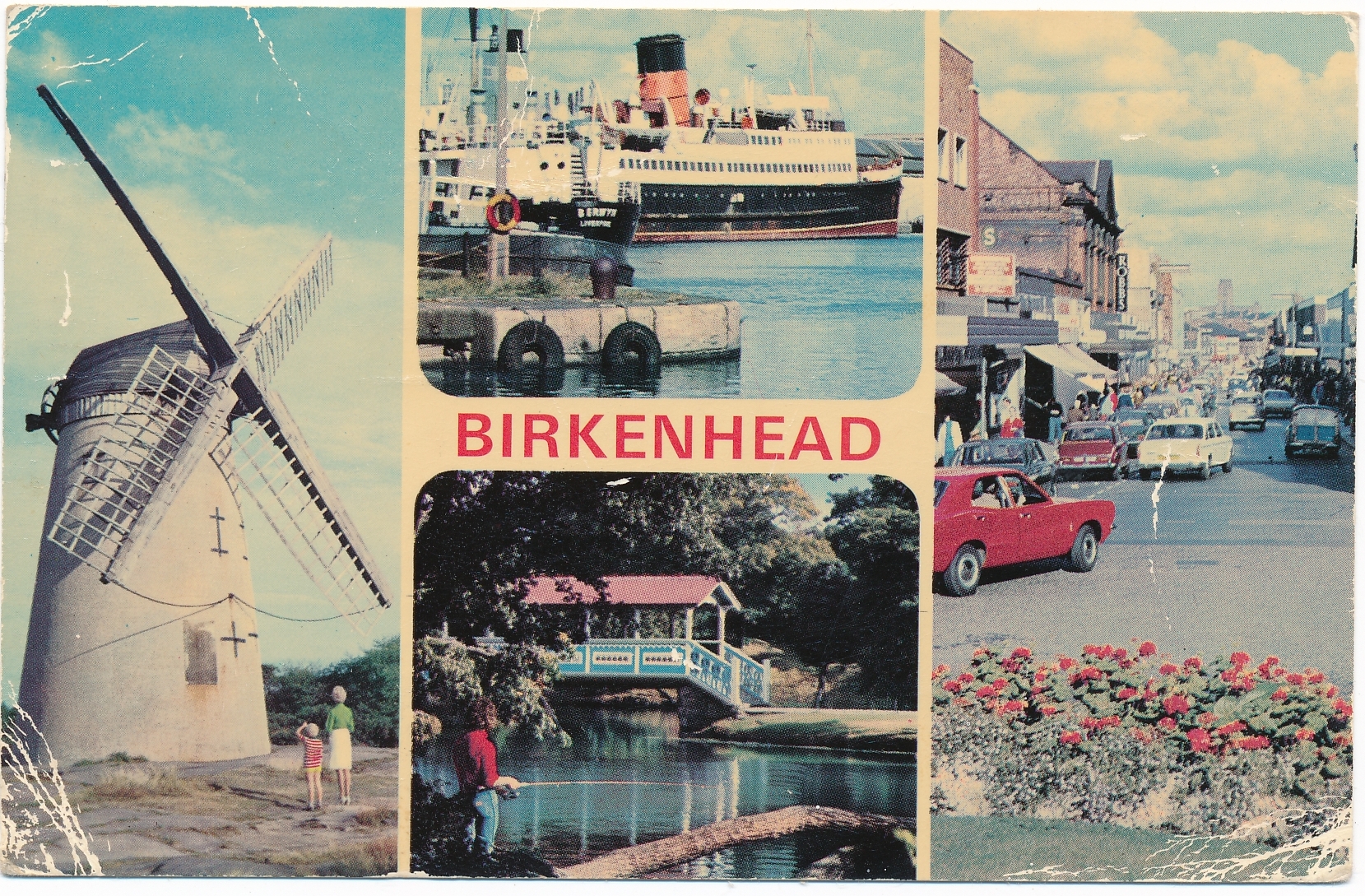
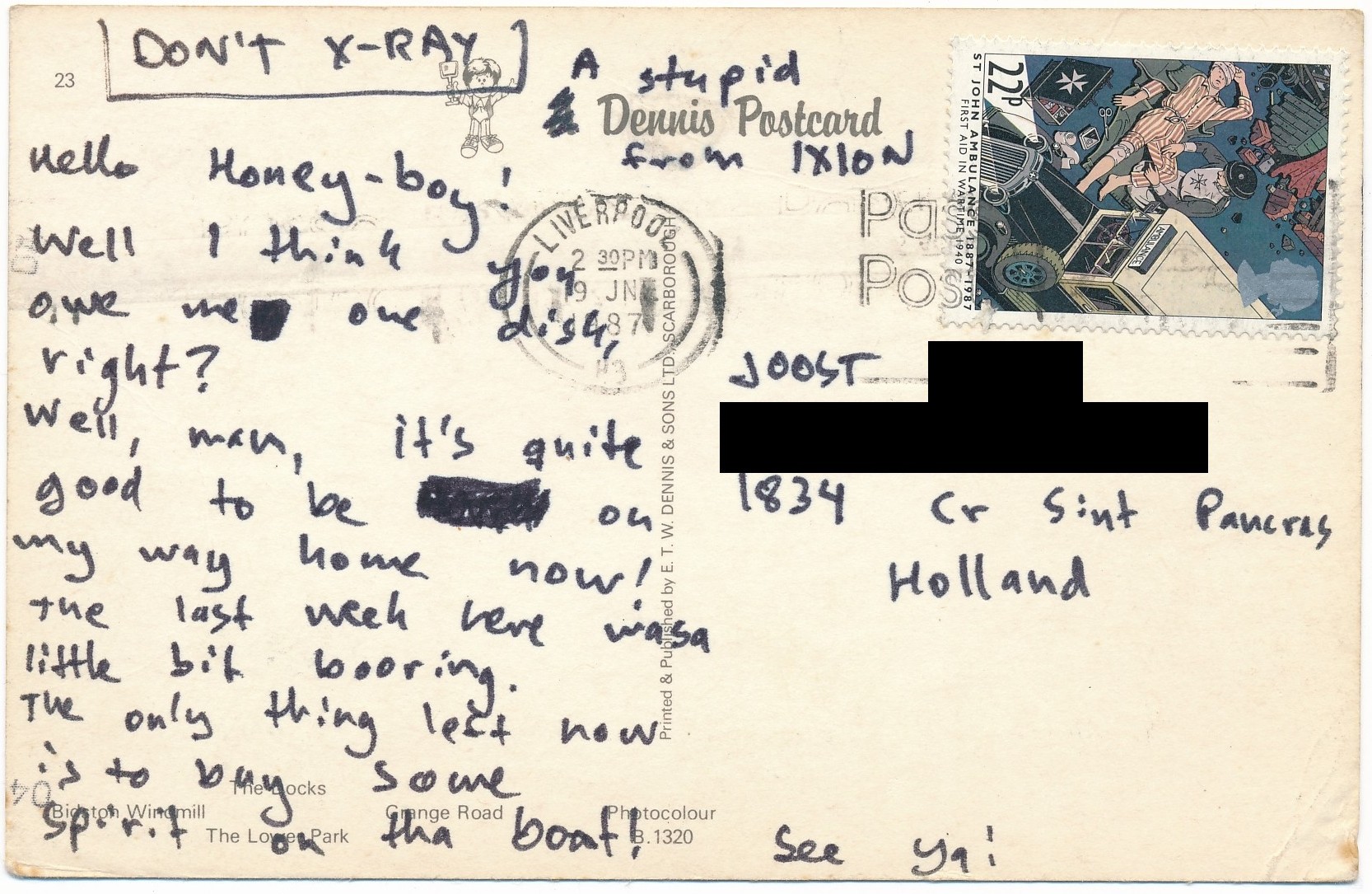
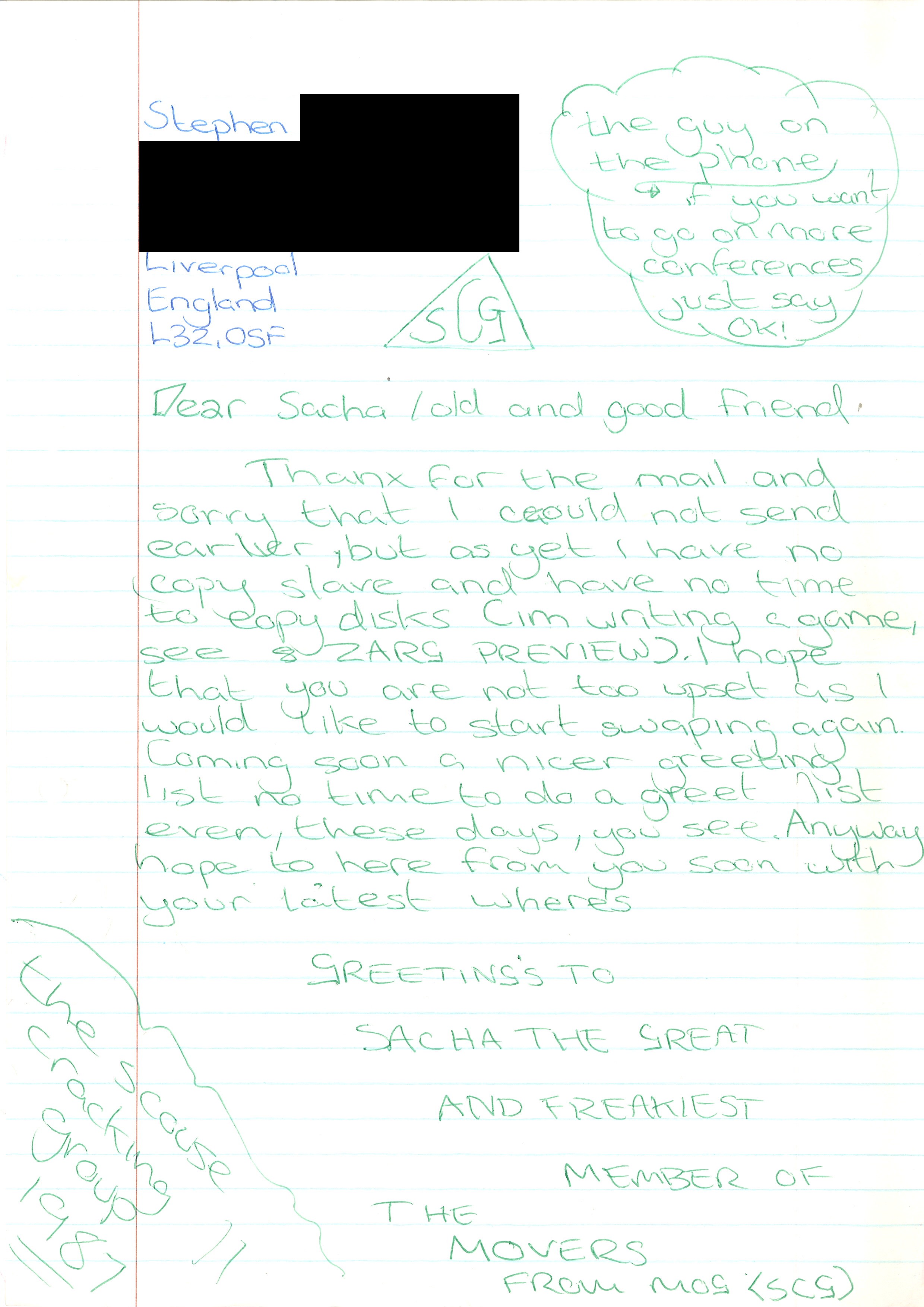
• Mog/Scouse Cracking Group (UK) to Skylab, 1987 [metadata]
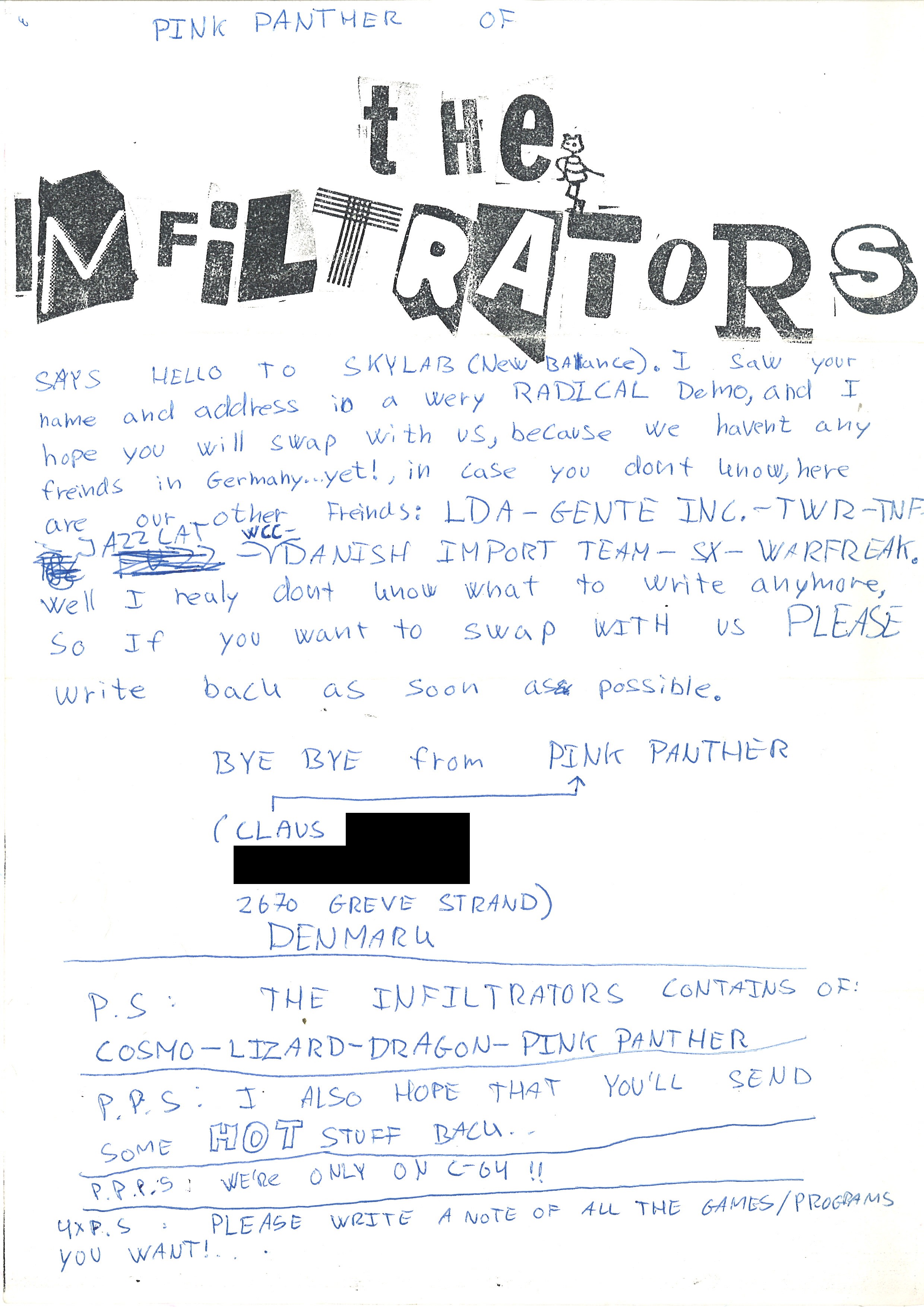
• Pink Panther/The Infiltrators (Denmark) to Skylab, 1986 [metadata]
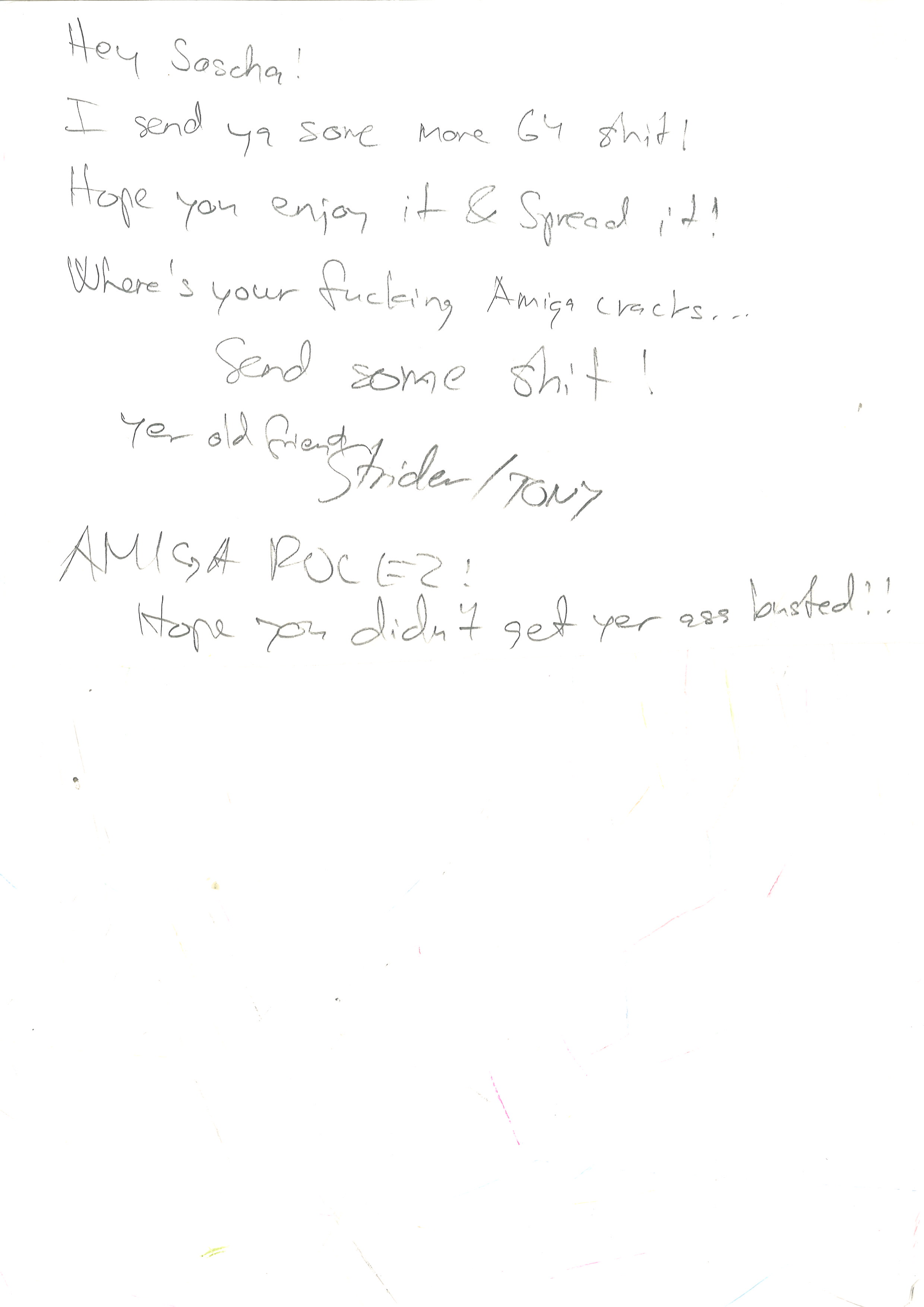
• Strider/Fairlight (Sweden) to Skylab, 1988 [metadata]
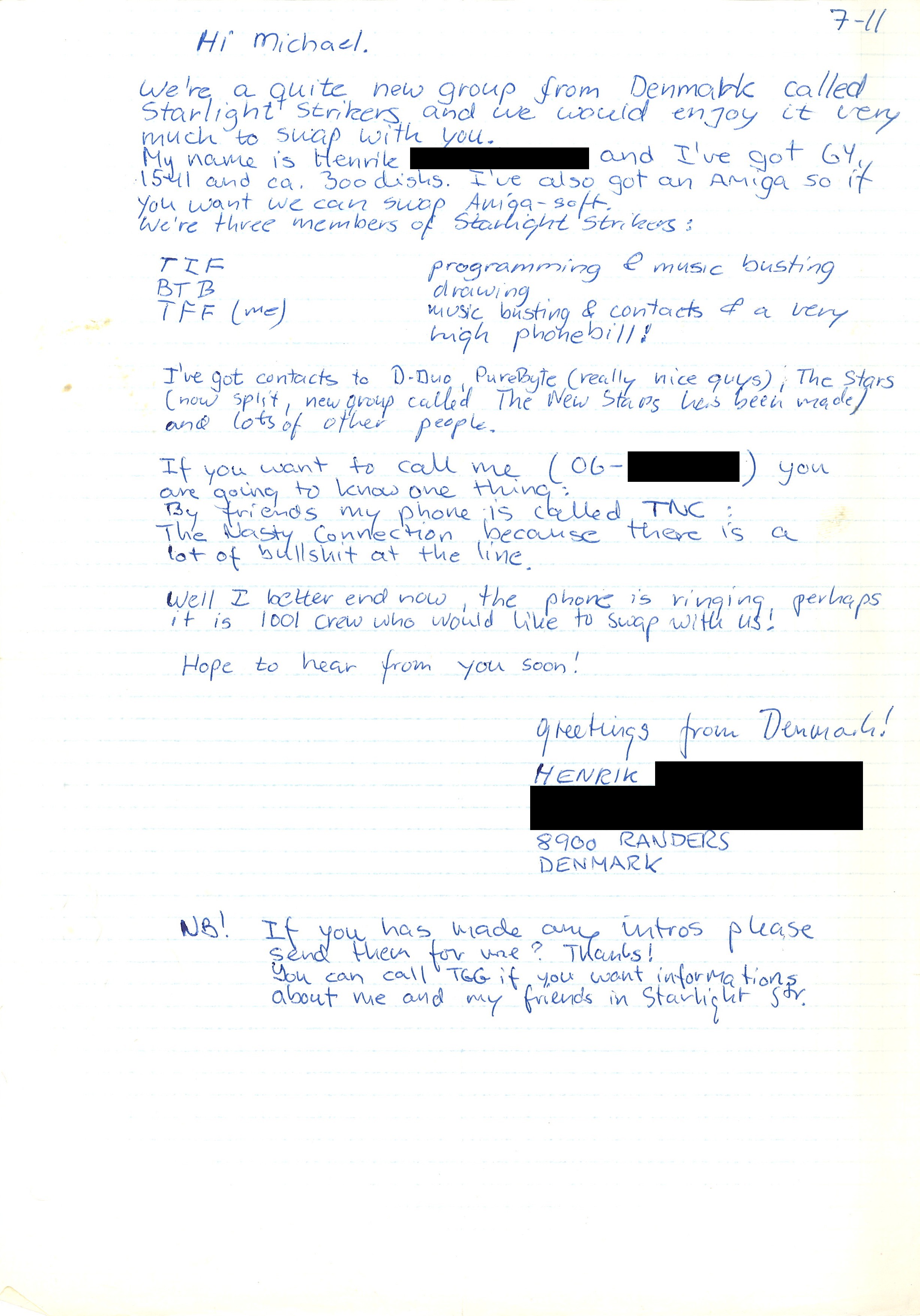
• TFF/Starlight Strikers (Denmark) to General Zoff, 11 July 1986 [metadata]

• The Softteam (Denmark) to The Movers, 11 March 1987 [metadata]
• Tiamat to General Zoff, ~1988 [metadata]
• Vindicator/Delta Force (UK) to Skylab, 1987 [metadata]
• Zzap/Swedish Cracking Crew (Sweden) to General Zoff, ~1987-1988 [metadata]
• Zzap/Swedish Cracking Crew (Sweden) to Skylab, 4 August 1987 [metadata]

(NB: If the scans in the gallery below are too small for you, you can download the high-resolution versions at the “metadata” links above.)


More Demoparty Artefacts

After a break, we are back with mixed 1990s demoparty materials, provided by Goat, Cupid, and leZone. More to come soon.

• Flag 1997 flyer [metadata]
• Remedy 1998 flyer [metadata]
• Symposium 1997 flyer [metadata]
• Symposium & Mekka 1997 flyer [metadata]
• The Party 1994 votedisk [metadata]
• The Party 1995 flyer [metadata]
• Tribute 1994 invitation brochure [metadata]
• Trilobite #1 by Nuance disk [metadata]
• unidentified C64 party flyer, 1996 [metadata]
• Zone 4 1998 invitation brochure [metadata]


Introducing the Honey/1001 Collection

The launch of The Movers’ letter collection turned out to be a sort of honey pot for old sceners. Several 1980s veterans got in touch and promised to scan their old letters, too. The most amazing contribution so far came from Joost Honig a.k.a. Honey of 1001 Crew, who sent us over 1 GB worth of scans from his personal archive. Honey, active on the C64 since 1983, is a scene legend, and 1001 Crew (also known as “1001 & The Cracking Crew”) stood at the very roots of the demoscene. 1001 was not just about cracking games: Together with his groupmates, Honey was responsible for some of the crucial technical breakthroughs in C64 programming, such as sideborder and no-border sprites as early as 1986 – achievements recognised in contemporary commercial computer press as well as in recent literature2 -, and the famous 1001 Card Cruncher in 1987. A detailed recent interview with Honey can be found here. The letters shed light onto a lesser-known realm of 1001 Crew’s activity – namely their transnational communication networks. Through their archive, one can slowly see 1001 moving from cracking games to making intros, demos and eventually (ironically) games.

honey-86

Honey of 1001 Crew, 1986

The first batch of letters presented here today stems from the “mixed” folder – letters from random sceners literally from all over the world trying to get in touch with the famous cracker – some with, some without success. (And those who succeeded establishing contact, couldn’t believe their luck: “Have you got any pictures of you or other members of 1001 crew? […] My friend whom I told you had answered my letters didn’t believe”, wrote one of Honey’s happy new penpals.) Honey jokingly characterised this genre as “begging letters”, and, indeed, most of the authors were begging the recepient for different favours: fresh games, the group’s latest demos, the famous 1001 Crew stickers, or, more generally, establishing a steady swapping relationship. One Finnish scener even sent Honey a long questionnaire (to which he never replied), apparently to use it for an article on the scene commissioned by the Finnish commercial computer magazine BITTI.

But the most wanted thing was, of course, the Card Cruncher. Working with an external cartridge, it was a powerful file compressor – a master weapon in the race for the smallest crack. As Honey recalls: “Having a smaller sized crack of a game than the competition stood for quality. First of all it meant you had a ‘clean’ crack, with no unnecessary bytes in the file. Making that even smaller with your own written packer made an even bigger impact, just like an impressive intro.”3 The Card Cruncher was even more legendary as it was a strictly internal tool. Apart from the 1001 Crew, only a selected few group and individuals, such as Dynamic-Duo and Fax of New Stars, were entrusted with using it. So it is no wonder that many of the letter authors tried their luck to get his hands on it: “Please could you also send me your card cruncher software”; “please send me the compressor of the Dynamic-Duo we have talked about”; “I am after a really cool cruncher! Do you have one?” Naturally, Honey didn’t give in to any of these requests. However, the Card Cruncher leaked into the scene eventually: “It was stolen and spread by some Dutch guys. They visited one of our members, and when he was out of the room making tea, they loaded a disc with a program that saved the contents of the catridge.”4

Enjoy this fascinating glimpse into the early C64 scene, and keep in mind that this is just a tiny portion of the 1001 archive. Today’s batch features letters from:

• Aaron (country unknown), 17 June 1987 [metadata]
• Beast/Defjam^Shield (Sweden), 14 February 1987 [metadata] and ~1987-1988 [metadata]
• Carsten (Denmark), 17 December 1986 [metadata]
• Electro’39/Electronic Cracking Crew (Germany), ~1986-1987 [metadata]
• E$G/Italian Bad Boys (Italy), 25 August 1987 [metadata]
• F.B.S. (Germany), 1986 [metadata]
• Griffo/Binary Code Smashers (UK), ~1986-1987 [metadata]
• Jab/The Shadows (Norway), 6 September 1987 [metadata]
• Judge Death/2000 A.D. (country unknown), 1987 [metadata]
• Lauri (Finland), 14 November 1987 [metadata]
• Lloyd/The Austrian Union (Austria), ~1987-1988 [metadata]
• Microman/FBR (USA), 12 February 1987 [metadata]
• Øyvind (Norway), 4 October 1986 [metadata]
• Peter (New Zealand), 23 January 1988 [metadata]
• The Cousin/Soldiers Against Protection (Germany), ~1987-1988 [metadata]
• The Jester/Cleveland Software Society (UK), ~1987 [metadata]
• The Spider (Finland), 6 September 1987 [metadata]

(NB: If the scans in the gallery below are too small for you, you can download the high-resolution versions at the “metadata” links above.)